Inquiry
Inquiry at Somerville Primary School helps students explore the world through Humanities, Science and Technologies, building curiosity, critical thinking, creativity and problem-solving skills.
Humanities
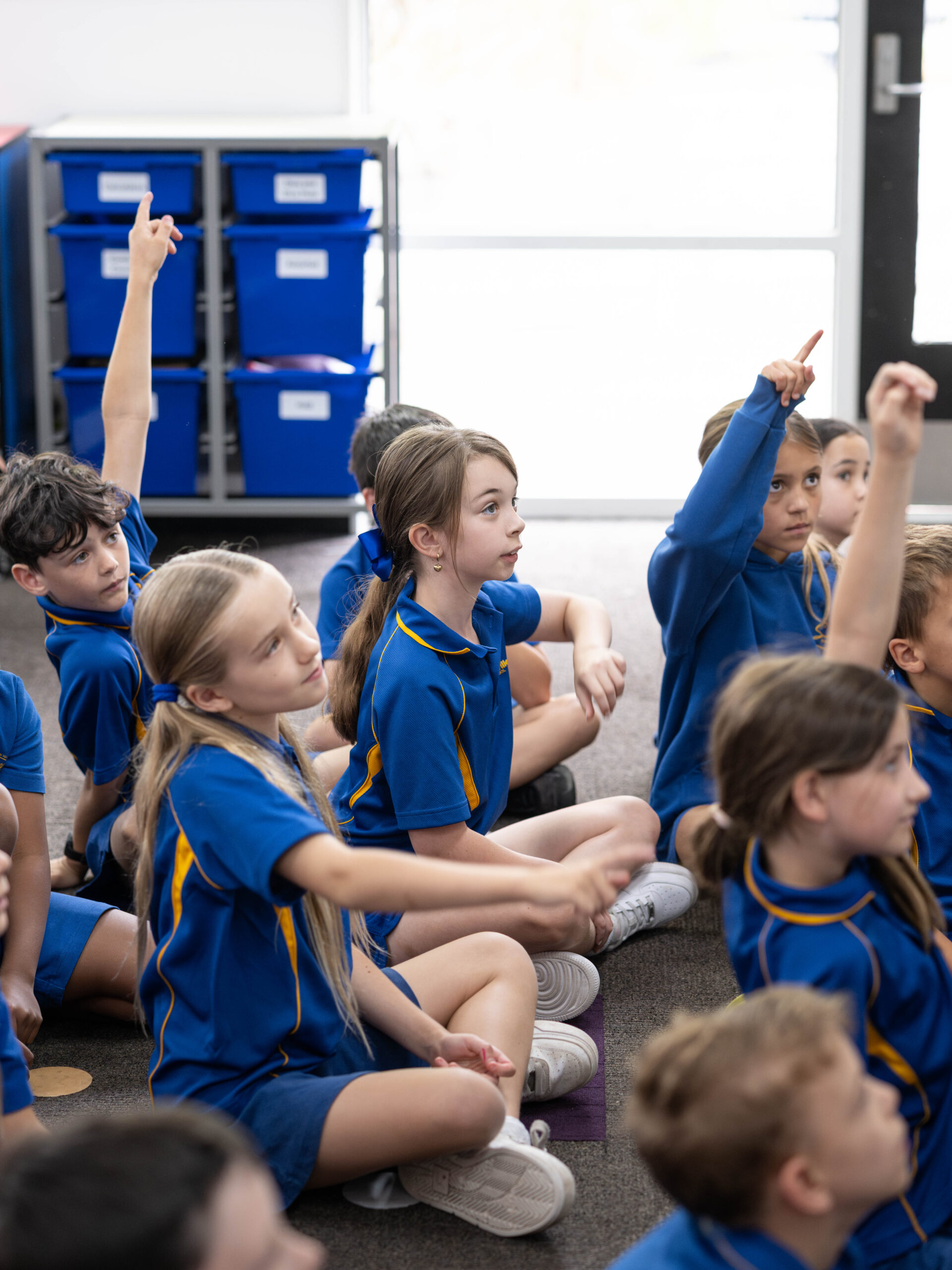

At our school, the Humanities program is aligned with the Victorian Curriculum and encompasses History, Geography, Civics and Citizenship, and Economics and Business. The program encourages students to explore the world around them, understand people and communities, and develop skills in critical thinking, research, and decision-making. Humanities learning fosters curiosity, empathy, and informed citizenship. Through the Humanities program, students develop knowledge, skills, and values that help them understand the past, navigate the present, and contribute thoughtfully to their communities and the wider world.
In Prep to Year 2, students begin to explore their personal and local worlds. In History, they investigate past and present events in their lives and community, developing an understanding of change over time. In Geography, students explore places, environments, and features, learning to observe and describe them. Civics and Citizenship introduces students to roles, rules, and responsibilities within the classroom and community, while Economics and Business encourages awareness of needs, wants, and simple financial concepts.
In Years 3 to 6, students deepen their understanding of History, Geography, Civics and Citizenship, and Economics and Business. In History, they investigate key events, people, and communities, exploring cause and effect, perspectives, and continuity and change. Geography learning focuses on human and natural environments, sustainability, and spatial awareness. Civics and Citizenship develops knowledge of democracy, government, rights, and responsibilities. Economics and Business encourages understanding of resources, financial decision-making, and entrepreneurial thinking.
Science
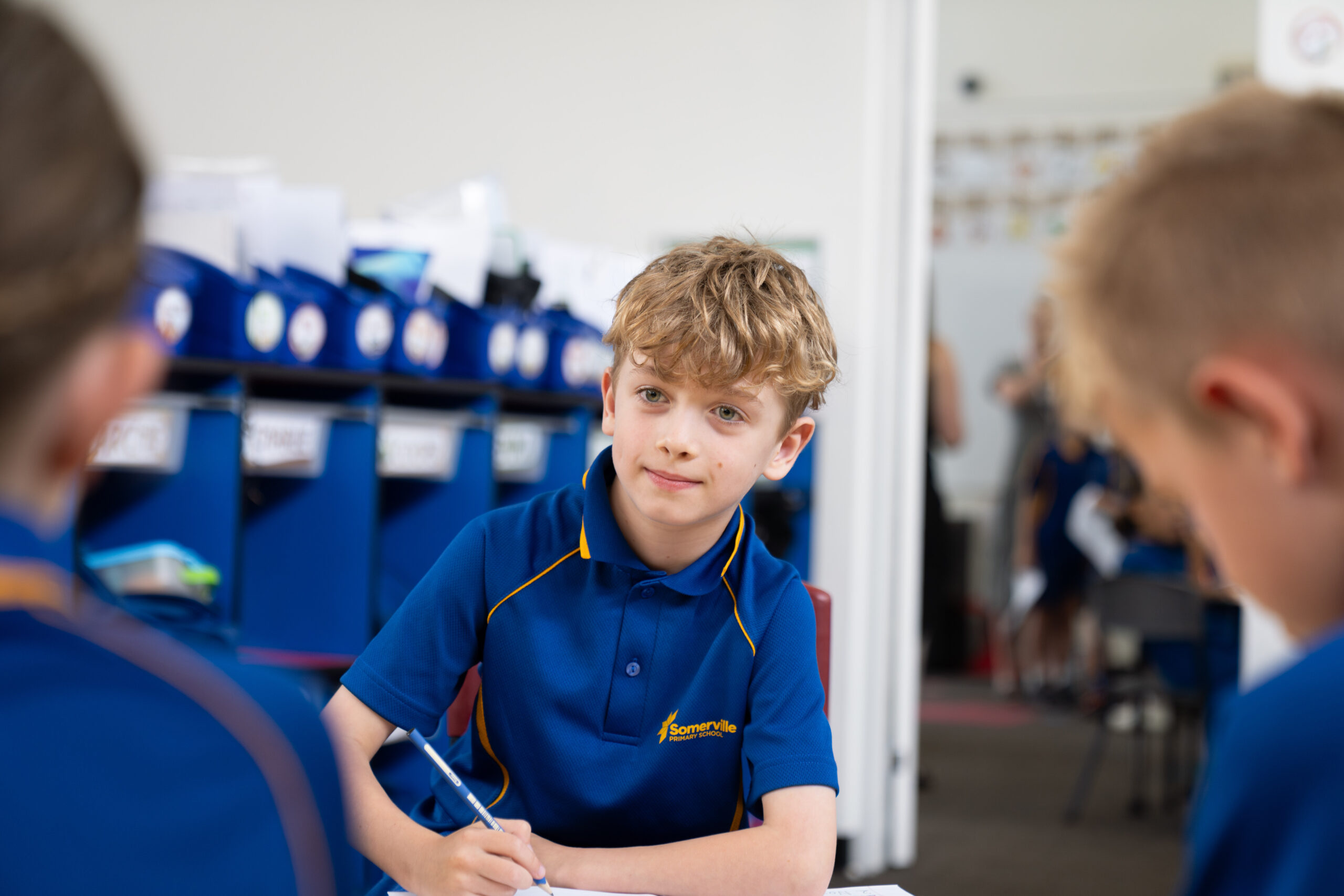
At our school, the Science program is aligned with the Victorian Curriculum and focuses on developing students’ understanding of the natural and physical world. Science learning encourages curiosity, observation, investigation, and problem-solving, helping students to explore, question, and understand how the world works. Students develop skills to plan and conduct experiments, analyse information, and communicate their findings effectively. Through the Science program, students develop inquiry skills, problem-solving abilities, and a deeper understanding of the natural world, preparing them to be thoughtful, informed, and scientifically literate citizens.
In Prep to Year 2, students explore the world around them through hands-on investigations and guided inquiry. They focus on topics such as living things, materials, forces, energy, and Earth and space. Students learn to ask questions, make predictions, observe changes, and record their findings using drawings, charts, and simple explanations.
In Years 3 to 6, students develop more complex scientific skills and understanding. They investigate a range of topics including living things, Earth and space, forces and energy, and chemical and physical sciences. Students plan and conduct fair tests, explore models, collect and analyse data, and communicate findings using scientific diagrams, tables, and reports. They also explore the application of science in real-world contexts and understand the role of science in society.
Technologies
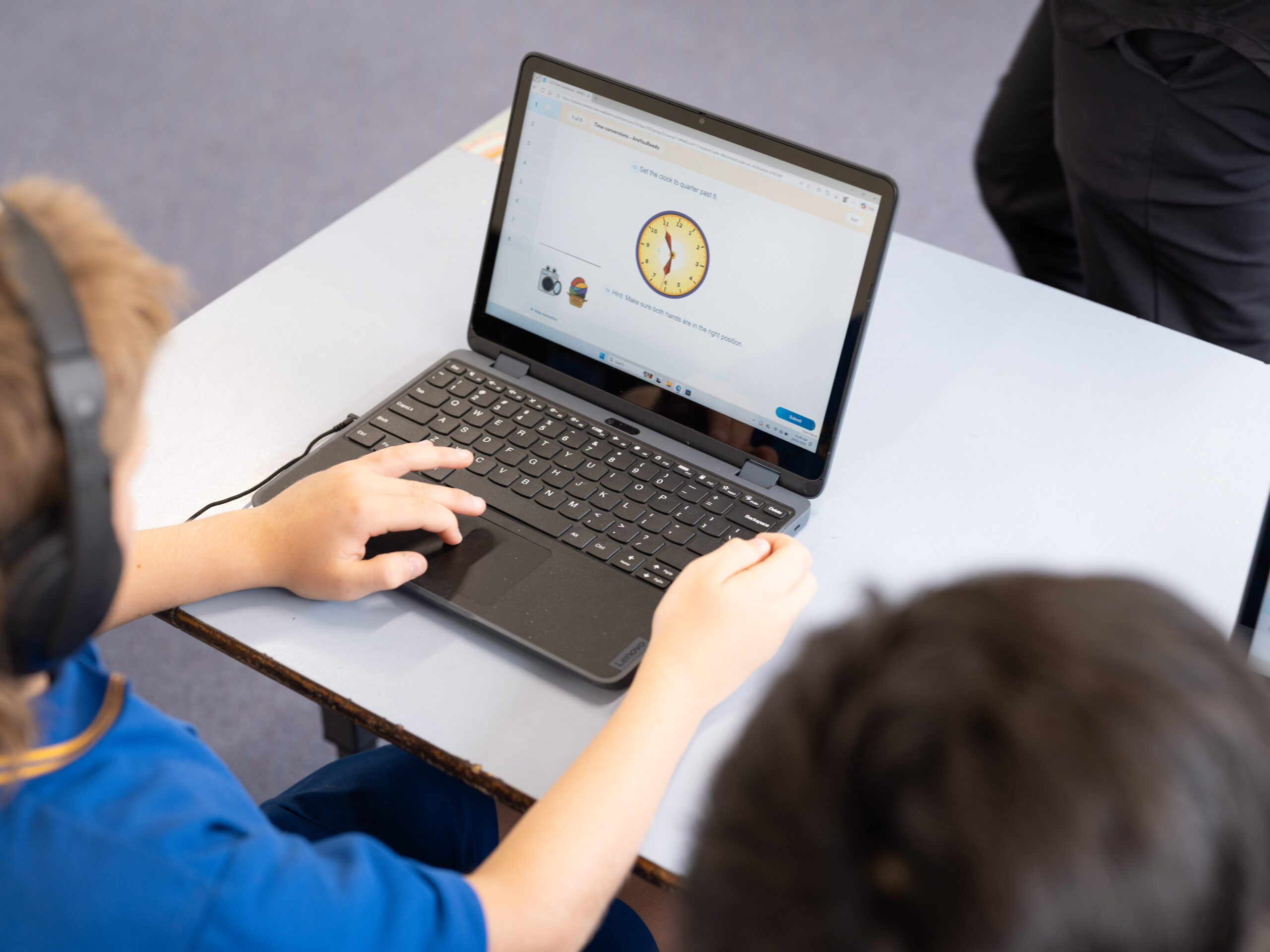
At our school, the Technologies program is aligned with the Victorian Curriculum and encompasses Design and Technologies and Digital Technologies. The program encourages creativity, problem-solving, critical thinking, and collaboration, helping students to become confident and capable users and creators of technology. Students learn to design, create, evaluate, and communicate solutions to real-world challenges. Through the Technologies program, students develop the knowledge, skills, and confidence to innovate, collaborate, and use technology responsibly, preparing them to engage with a rapidly changing, technology-rich world.
In Prep to Year 2, students explore simple design and digital concepts through hands-on, practical activities. In Design and Technologies, they investigate materials, tools, and processes to create solutions that meet a specific purpose or need. In Digital Technologies, students learn basic digital skills, such as using software, simple coding, and understanding how digital systems work. Activities are designed to be engaging and support curiosity, creativity, and problem-solving.
In Years 3 to 6, students develop more advanced skills in designing, creating, and evaluating solutions. In Design and Technologies, they investigate needs and opportunities, plan and develop projects, select appropriate materials and tools, and evaluate the success of their solutions. In Digital Technologies, students explore coding, digital systems, data representation, and computational thinking. They learn to use technology ethically and safely to create digital solutions for a variety of purposes.